


Visits to the toilet are becoming more frequent, but less and less productive: only a little urine can be squeezed out, sometimes mixed with blood.There is pain during and after urination.Sometimes there is a nagging pain above the pubis.All these are symptoms of cystitis, a disease that affects women more often.And although cystitis is not life-threatening, it is very capable of ruining some of your days.
The purpose of this article is to show you how you can treat cystitis at home and how to cope with this disease as soon as possible.
What is cystitis?
Cysitis is an infectious disease.But its pathogens live in our body.In 85–95% of cases, the cause of urinary infections is E. coli, a common inhabitant of the intestines.Another typical pathogen is Staphylococcus saprophyticus, a representative of the skin microflora.And they enter the bladder through an ascending route: from the skin or from the rectum through the urethra.
How to prevent cystitis?
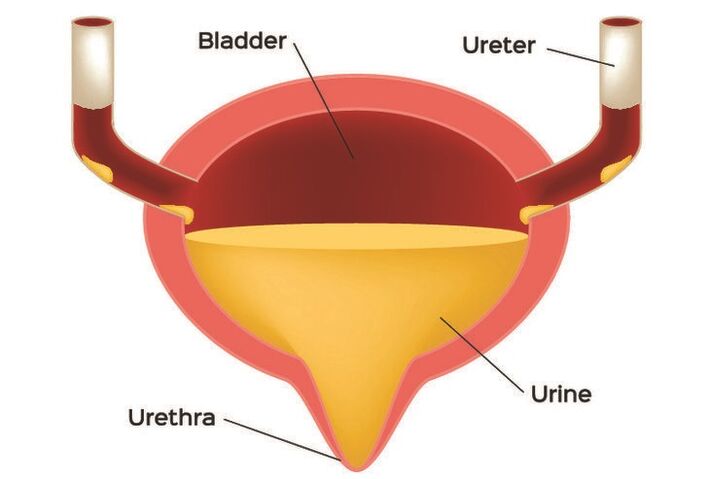
It is the anatomical features (larger bladder volume and short urethra) that determine the prevalence of cystitis in women.
It's clear why women suffer from cystitis more often - it's all about anatomy.The urethra in women is much shorter than in men, and the bladder is larger, which means it can be emptied less often.But a stream of urine quite effectively disperses the microorganisms that have penetrated the urinary tract.Therefore, the first rule for women: if you do not want to experience cystitis, go to the toilet every 3-4 hours.
Another common cause of cystitis is microtrauma of the female urethra during intercourse.The so-called defloration cystitis often ruins the honeymoon.Advice for beloved men: do not forget about intimate hygiene.Tip for smart women: Emptying your bladder before and after sex significantly reduces the risk of infection.
When should you see a doctor?
No single woman is immune from isolated cases of cystitis.However, if dysuria recurs, it is worth undergoing a comprehensive examination.
Pregnancy is a particularly dangerous period.The functioning of the immune system and hormonal levels change, the growing uterus displaces the bladder, interrupting the flow of urine and as a result, infection.Meanwhile, bacteriuria increases the risk of premature birth by 2 times - so cystitis during this period is not at all harmless.
If the symptoms of the disease appear in a man, you should consult a specialist immediately and without fail;cystitis in men is almost always secondary.And the main cause can be prostate disease, diabetes or urolithiasis.In addition, cystitis-like symptoms can appear with non-gonococcal urethritis (its possible causative agents are chlamydia, mycoplasma, trichomonas) and bladder tuberculosis.
The doctor will do urine and blood tests, microflora cultures, maybe refer you for an ultrasound of the bladder, possibly a cystoscopy, and take swabs from the urethra.If the examination proves that the cystitis is uncomplicated, then you will most likely be trusted to cope with its symptoms on your own.
What should you do if you have cystitis?
- It is highly advisable to stay in bed during an irritation, under a warm blanket, with a heating pad at the bottom of the abdomen (if the blood is not excreted in the urine, then we cancel the heating block).
- Drink as much as possible.Tea - only with milk, coffee and beer are excluded.Cranberry, blackberry and cranberry fruit drinks are very welcome (the proanthanides they contain prevent bacteria from sticking to the bladder wall), a decoction of oats, bearberry, birch buds is good, and if blood appears, nettle.Herbal medicine is most effective in the form of preparations;the pharmacy will always offer ready.
- The diet includes avoiding spices, canned foods and marinades, but dairy products, fruits (especially watermelon) and vegetables will be beneficial.
- If you have cystitis, you should not go to the bath or sauna, but washing with warm water and special intimate hygiene products will help reduce discomfort after urination.
- You can put suppositories with papaverine - this often relieves pain.
But in any case, antibacterial drugs are necessary to treat the infection.
If the cystitis is repeated, or the patient is elderly, or has diabetes mellitus, then the course of uroseptics should be longer - at least a week.
Watch out!Antibiotics are prescribed to pregnant women only by a doctor after an examination - this is safer for the woman and the child.
What should you watch out for?

If left untreated, an infection from the bladder through the ureters can spread to the kidneys, resulting in pyelonephritis.
If frequent and painful urination is accompanied by pain in the lower back and fever, then it is possible that the infection has spread to the kidneys, and here you cannot do without a doctor.
Which doctor should I contact?
In the first episode of cystitis, you can consult a therapist.If the disease takes a repeated or chronic course, you should consult a urologist and be sure to undergo a cystoscopy.